
Making a garden is perhaps the ultimate creator’s project. It is a work of patience, a dialogue with the seasons, and a test of one’s ability to shape land for the benefit of generations to come.
This past summer, our studio, edit, embarked on a study trip to southwestern Sweden. We visited Norrvikens Garden, Sofiero Palace, Vandalorum, Thora Vineyard, Jubileumsparken, and Trädgårdsföreningen. While these sites vary from historical baroque gardens and contemporary productive vineyards to urban public parks, they share a common thread: they are the rawest form of architecture. When we talk about “landscaping,” we aren’t talking about dressing up a site; we are talking about the manipulation of the biosphere itself. We often imagine “nature” as something wild and separate from us, but the moment we value, manage, or even define it, it becomes part of our cultural landscape. Nature is, in fact, culture. It is not a static background—it is a dynamic, living system. When done correctly, these works outlive their creators, passing from one steward to the next.
This journey caused us to reflect on our own origins, shaped by formative years in the productive, natural landscapes north of Toronto and the cultural heritage of Småland, Sweden. These early experiences taught us that land is not merely a stage for human activity, but a living partner. That deep-rooted connection sparked our shared passion for the intersection of garden design, architecture, art, and science. Together, these perspectives allow us to see the landscape not as an empty space, but as a rich, complex tapestry of historical, ecological, and artistic layers.
The Metabolism of a Landscape
Too often, landscape architecture is reduced to aesthetic choice—an “ism” applied to a site. But our trip reminded us of the “nerdy” science that makes these places breathe. You cannot create a successful landscape without a granular understanding of the place: its unique microclimate, the specific hydrology of the site, the sunlight patterns, and the complex, invisible world of microorganisms in the soil.
Each “fire soul” we studied—the individuals whose creative energy brought these places into being—understood that they were not just designing a picture; they were designing a metabolism.
Norrvikens Trädgårdar (Rudolf Abelin): Abelin’s philosophy, “Naturen är konstens moder” (Nature is the mother of art), serves as a foundational text for our field. Today’s restoration of the baroque layer isn’t just about historical preservation; it’s about honoring the resilience of the original design intent.
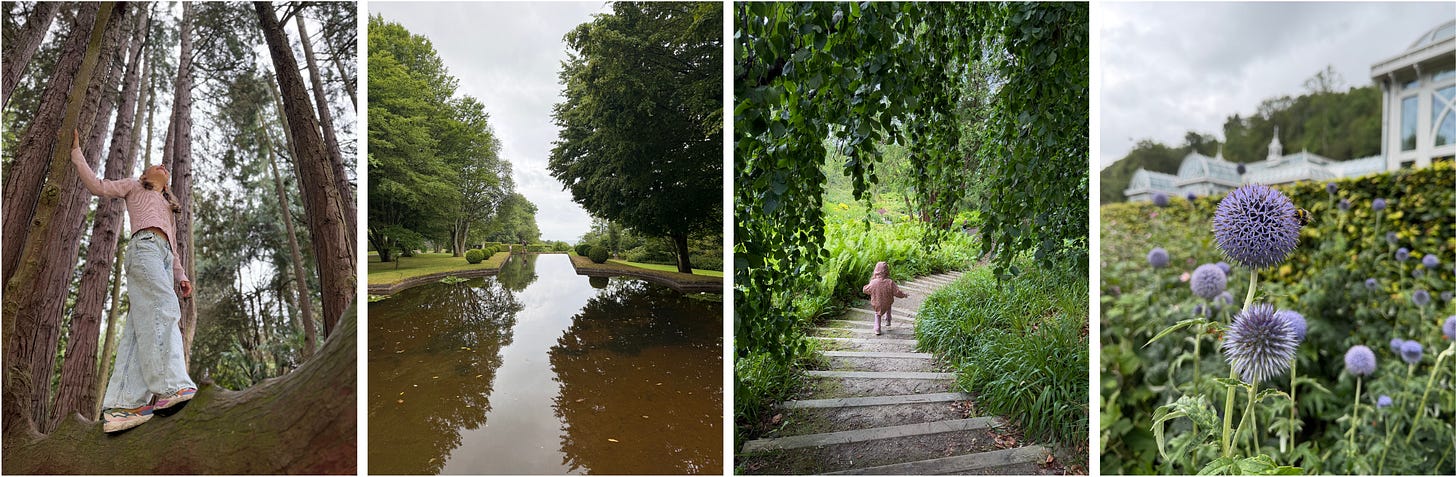
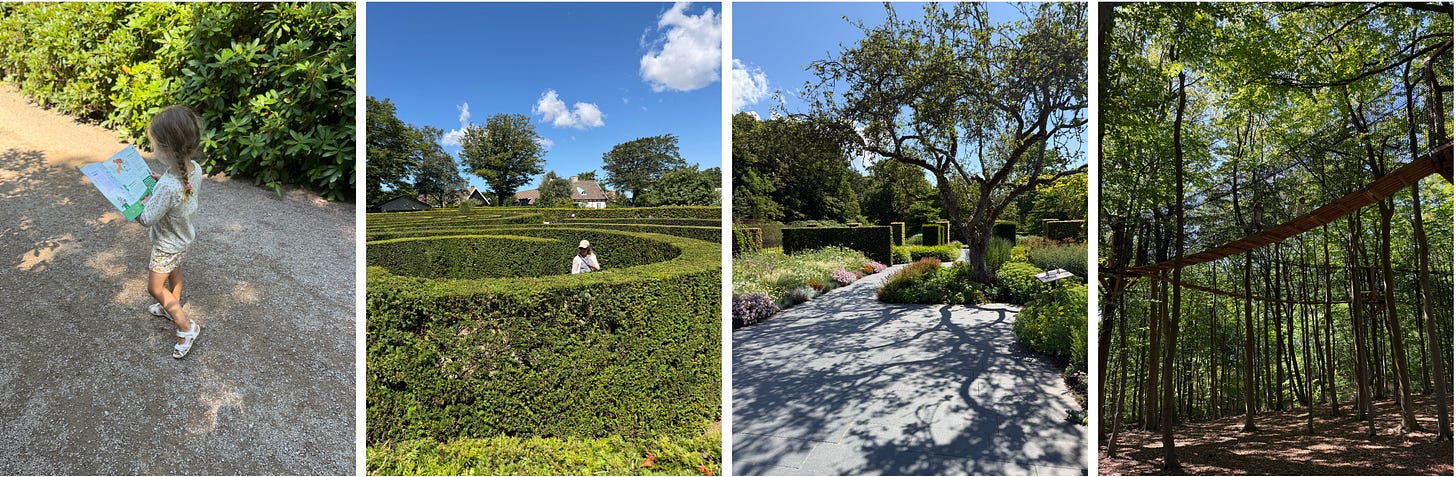
Sofiero (Crown Princess Margaretha): Here, we saw the mastery of terrain. Margaretha didn’t just plant; she sculpted topography to create protected rooms, allowing for a diverse, playful ecology that survives over a century later.
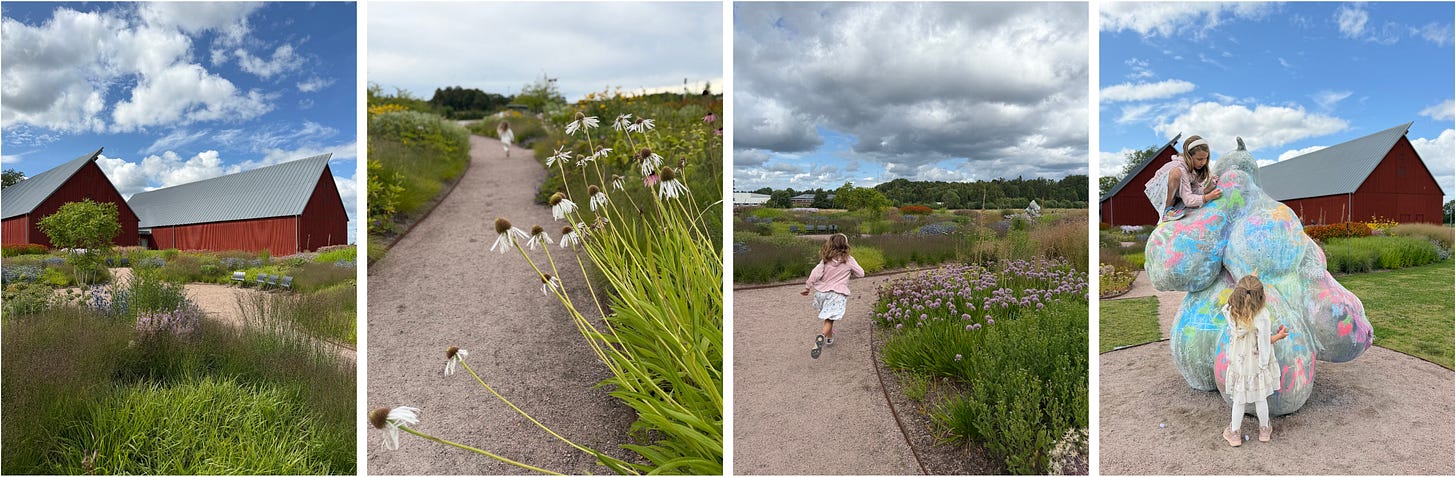
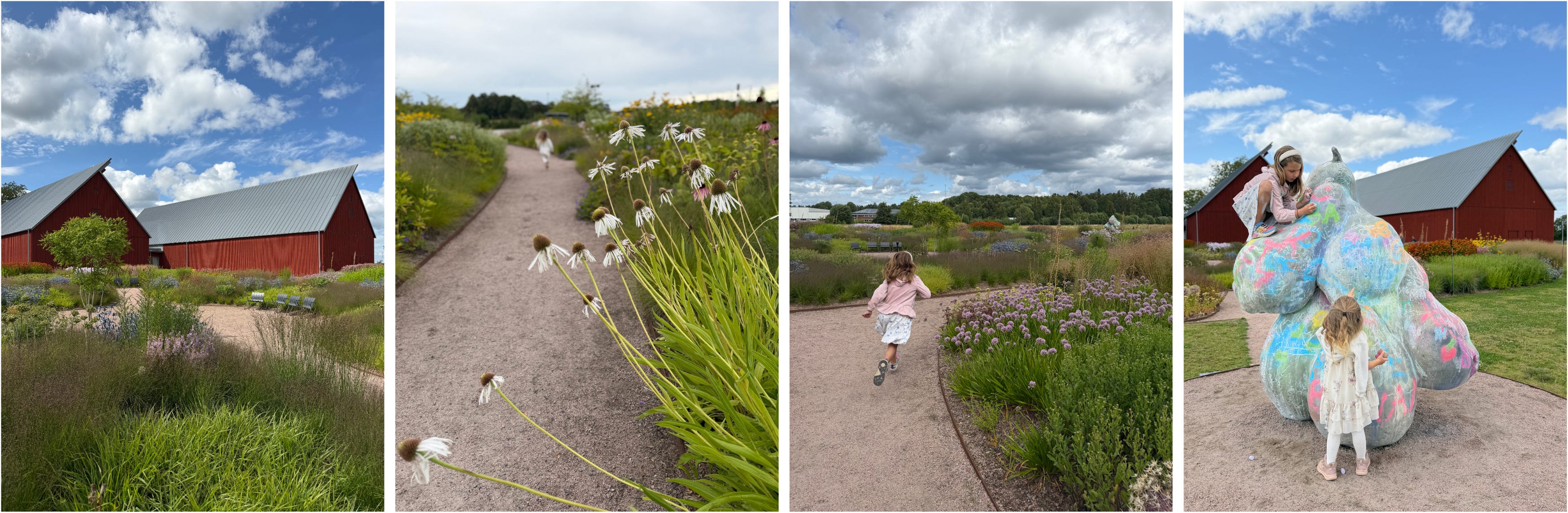
Vandalorum (Piet Oudolf): Piet Oudolf reminded us that a garden is a “dynamic process,” not a static painting. His planting schemes are a masterclass in ecological succession, functioning as a necessary buffer between hard infrastructure and the visitor experience.
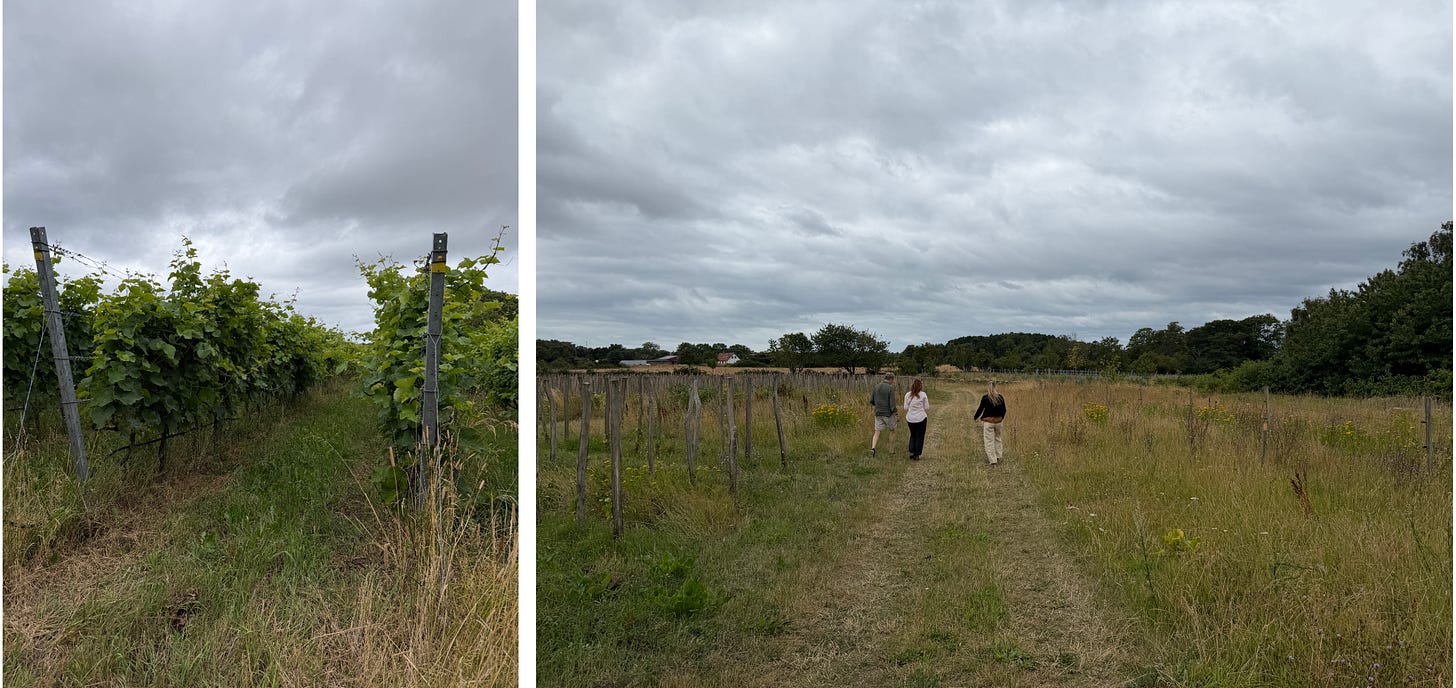
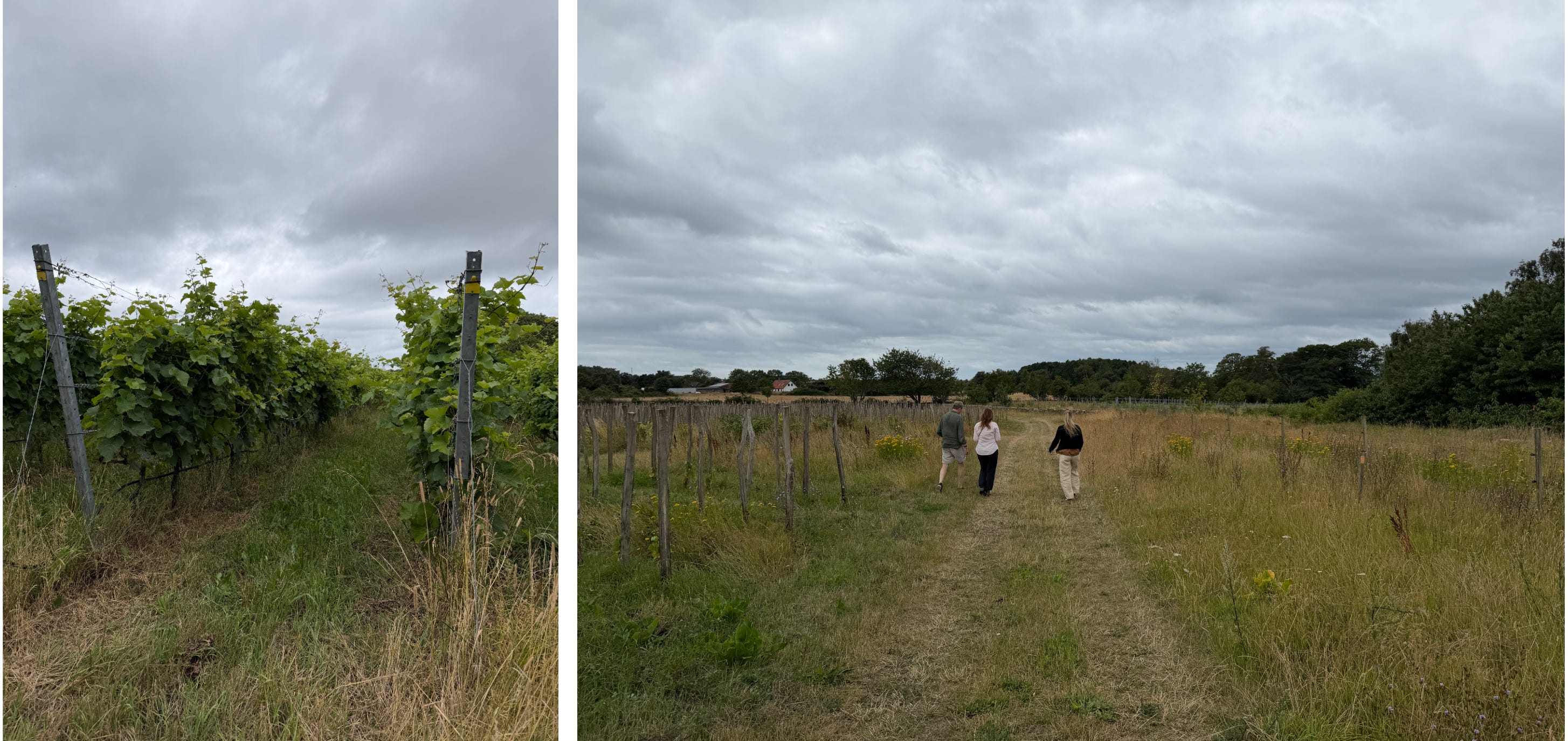
Thora Vingård (The Öberg family): This visit grounded us in the reality of the productive landscape. Thora represents a return to honest, raw, and agricultural design. It is a site defined by biodynamic thinking—where the vineyard acts as an extension of the surrounding land.
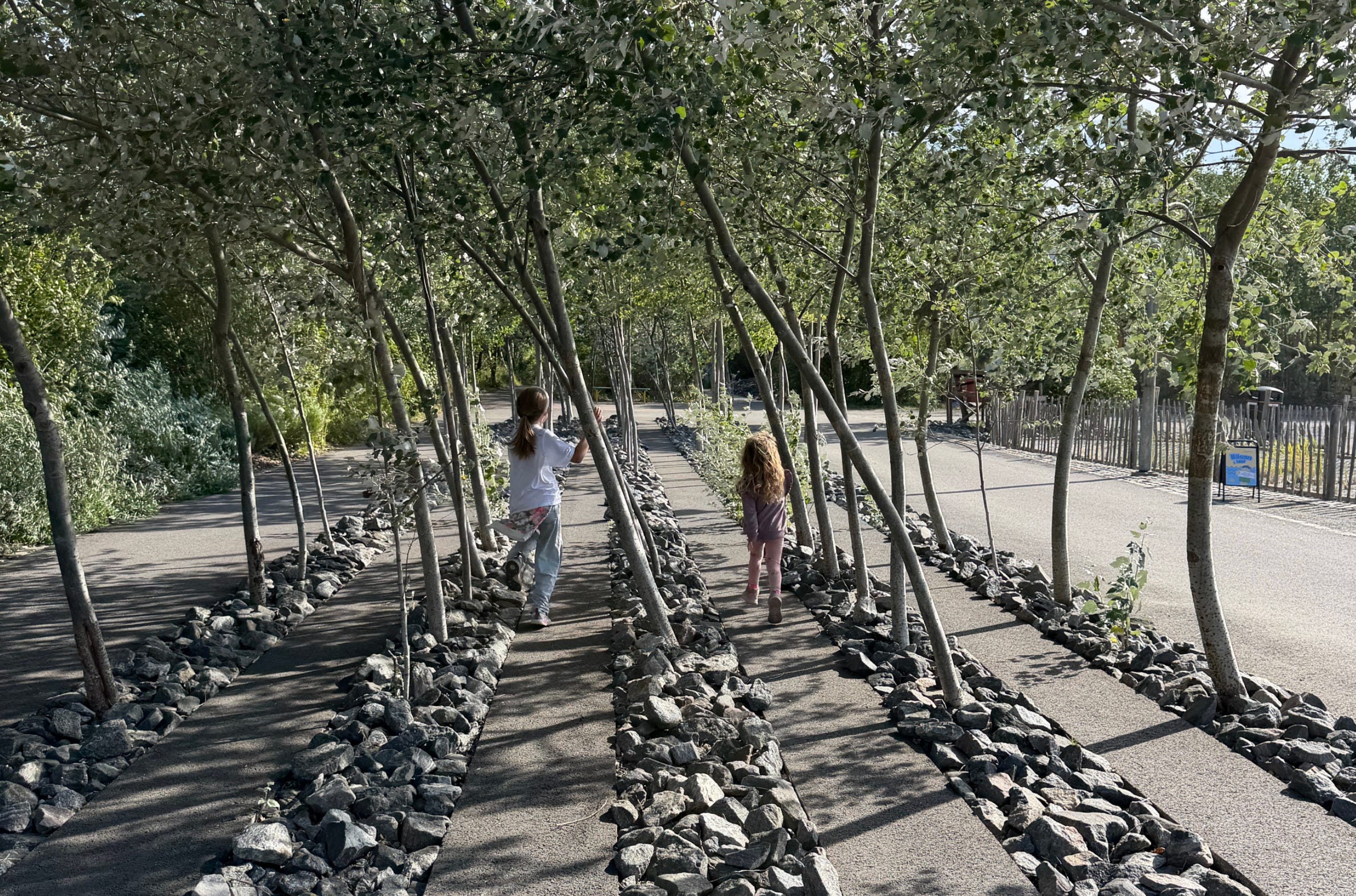
Jubileumsparken (Gothenburg, by Mareld Landskap): A masterclass in integrating urban water and recreation. It shows how infrastructure can become a site of intense public life, merging raw industrial history with social play.
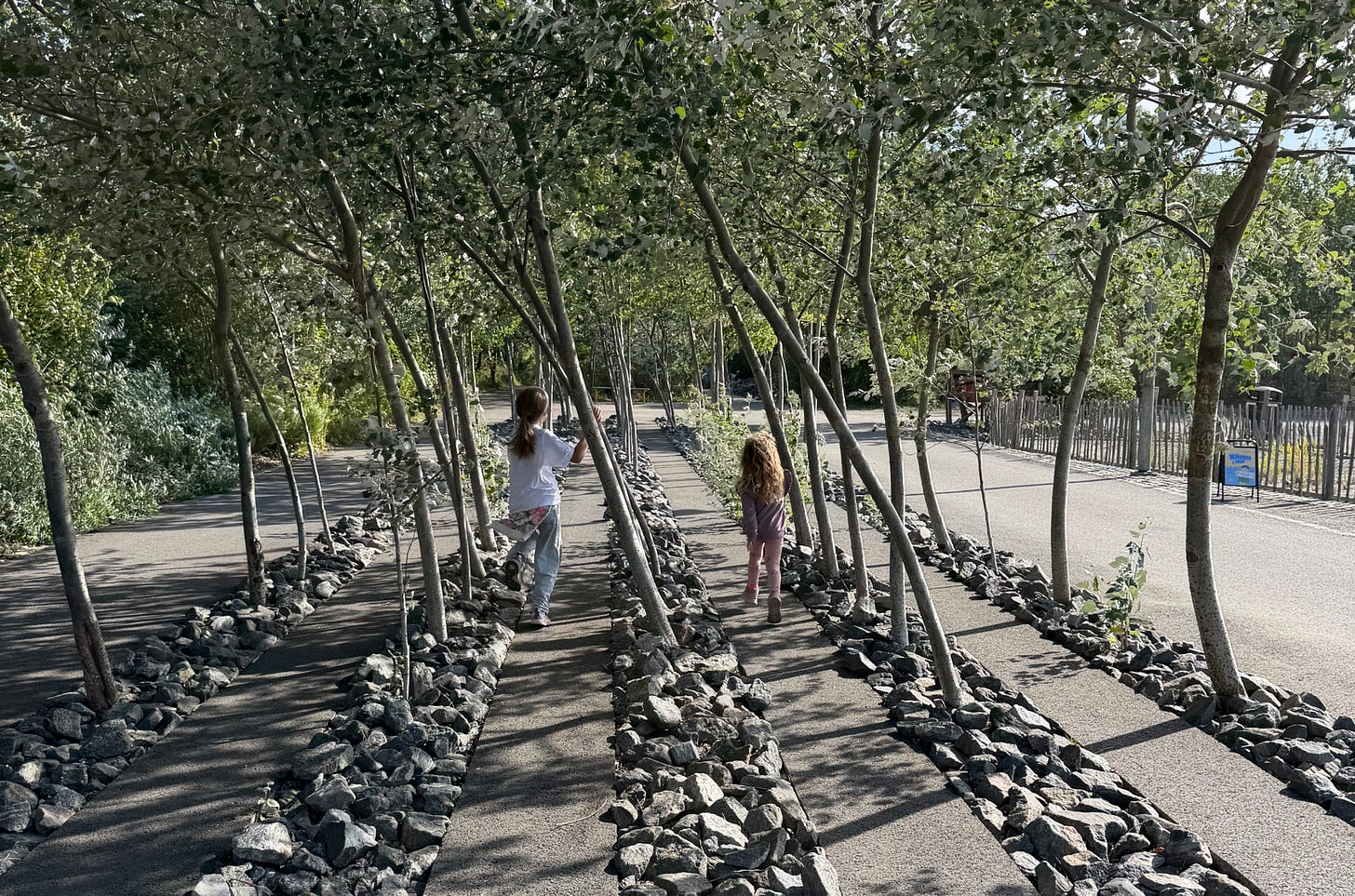
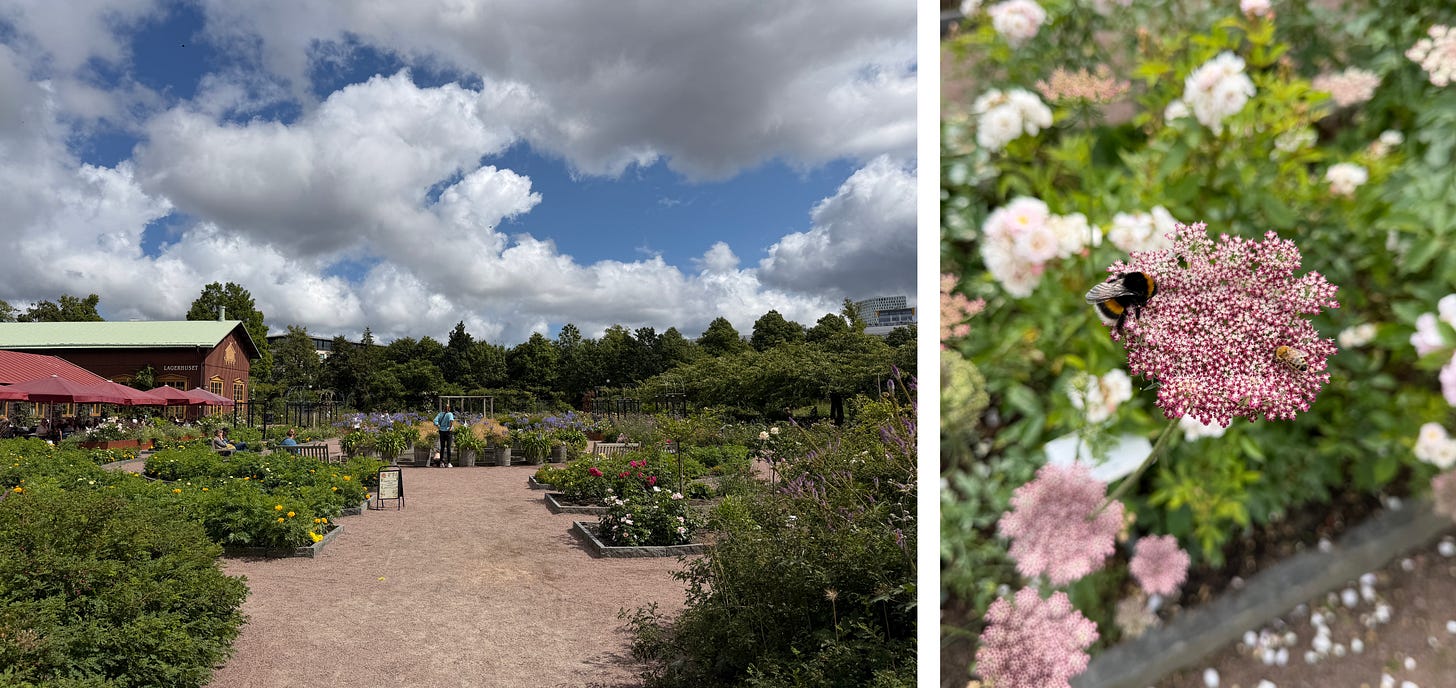
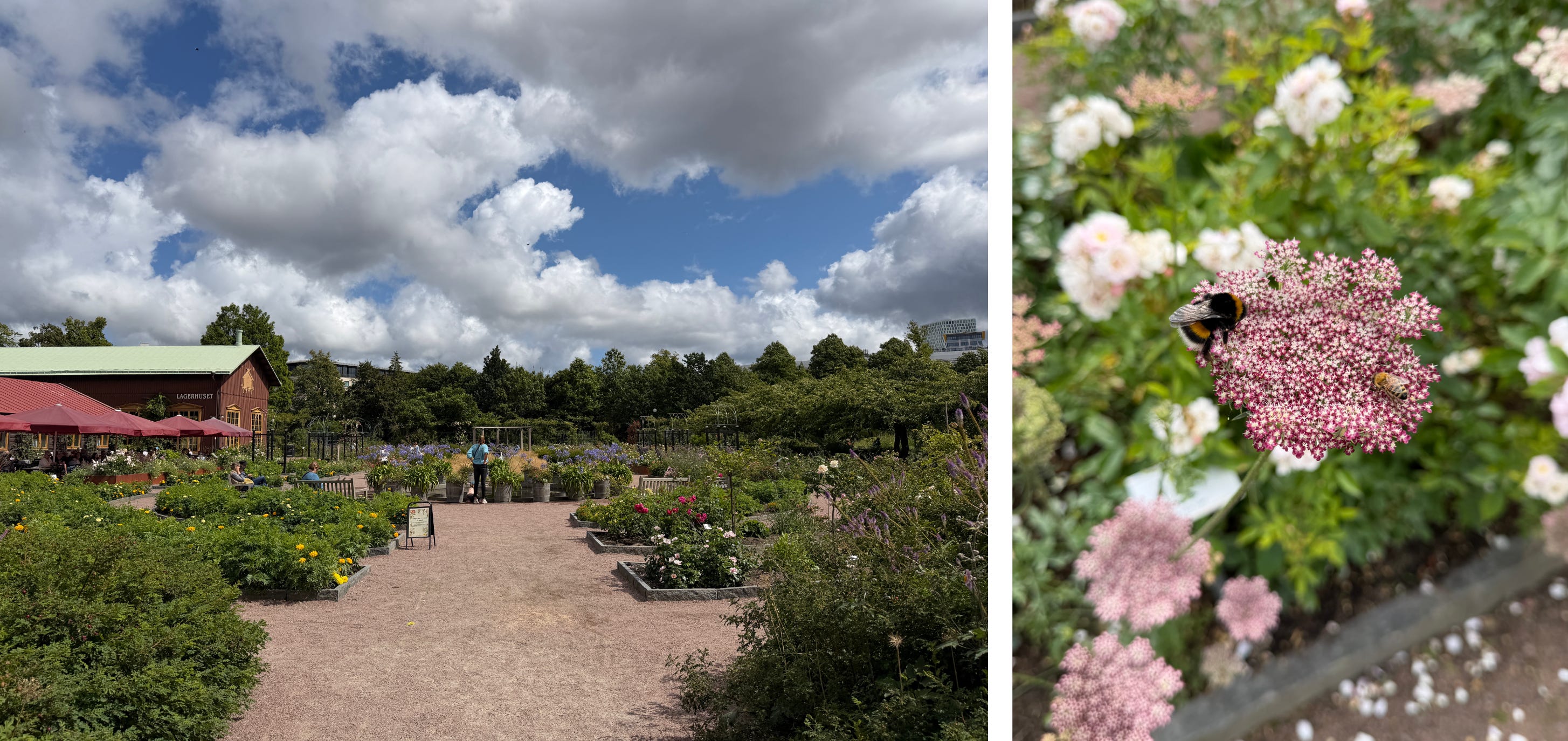
Trädgårdsföreningen (Gothenburg): An essential urban oasis that reminds us that the city’s “green lung” is not a luxury, but a structural necessity for collective health.

Gardens as Grounds for Exploration
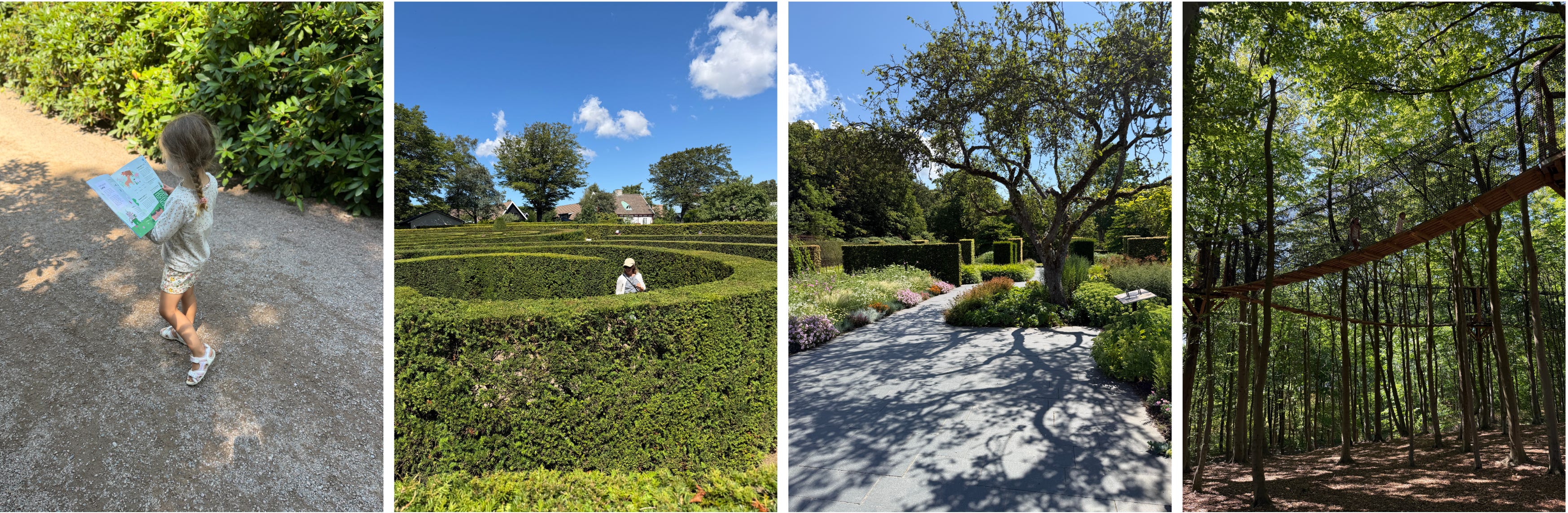
Finally, our journey underscored a vital design truth: we often design for adults, but we should learn from the child. The best landscapes we visited treated children not as passive visitors, but as active users. Swedish landscapes do this particularly well, recognizing that a garden is the perfect ground for a slower pace, a sense of wonder, and the need for physical exploration.
Whether it was Sofiero’s map—which gave a three-year-old the agency to navigate a castle and forest—or the kinetic sand and drawing stations at Vandalorum and the natural play structures at Norrvikens, these gardens prioritized play as learning. We realized that when you invite children to interact with the landscape, you aren’t just keeping them busy; you are initiating them into the stewardship of the land. We want to carry this forward. Integration of children is a key ambition, or our future projects, we aim to design spaces that allow the next generation to touch, draw, climb, and understand the metabolic life of the places we build.
Renewing Our Focus: Habitats for All Living Kinds
This trip has served as a catalyst for us at edit. We have been drawing and imagining our own landwork—concepts that for now remain on paper and in the landscape of the imaginary—but are fueled by the lessons we gathered. The energy we encountered, that unmistakable spark of the “fire soul” in every creator we studied, is contagious; it is an energy we are eager to welcome into the ecosystem of our own practice and future projects.
We are renewing our focus, with a continued ambition toward designing habitats for all living kinds. Whether we are working on residential gardens, campus masterplans, waterfronts, or historical cultural projects, our goal is the same: to design with the same patience as the gardener. We want to treat urban and rural sites with a systemic, metabolic intelligence.
We perceive our practice as a project in itself—encapsulated by our philosophy: “Studio as a project, project as a studio.” We are not designing objects with a limited shelf-life; we are initiating processes. We are here to craft resilient, biospheric habitats that can be passed down—not just as static designs, but as living, evolving systems that flourish for the next generation.